
Taylor Swift is arguably one of the most brand-conscious artists in history. With over 300 filed trademark applications throughout the years, her legal team is famous for “quiet filings” — submitting trademarks just hours before a surprise announcement to secure the rights to lyrics, album titles, and tour names before squatters can react.
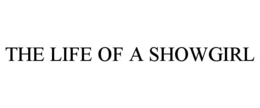
Yet, even with an excellent branding strategy, her application for “The Life of a Showgirl” hit a roadblock at the United States Patent and Trademark Office.
What Happened?
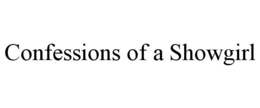
The USPTO refused Swift’s application because of a pre-existing registration for “Confessions of a Showgirl,” owned by Las Vegas performer and America’s Got Talent alum Maren Wade.
Because both marks cover “entertainment services” (live performances and music), the examiner ruled that the shared phrase “of a Showgirl” was enough to trigger a refusal based on a likelihood of confusion.
What is a Likelihood of Confusion Refusal?
This is the single most common reason the USPTO refuses a trademark application, and it catches a lot of people off guard.
Under Section 2(d) of the Lanham Act, the USPTO cannot register a trademark if it is likely to be confused with an already-registered mark. Notice that the standard is not actual confusion. Nobody has to be actually misled. The USPTO just needs to find that confusion would be likely.
To make that call, examiners apply a framework known as the DuPont factors, which are a set of criteria established by a 1973 federal court case that courts and the USPTO still use today. The full analysis covers thirteen factors, but in practice, Examiners typically focus on a few that carry most of the weight: how similar the marks look, sound, and feel overall; how related the goods or services are; and whether the same consumers are likely to encounter both brands.
In Swift’s case, the examiner focused on the first two. The marks share a key phrase “of a Showgirl”, both operate in live entertainment, and the examiner concluded that an average consumer could reasonably believe they come from the same source. That was enough.
One thing worth understanding about this analysis: the USPTO does not compare marks word by word. It evaluates the overall commercial impression; the feeling a consumer walks away with after encountering a brand. Two marks can look different on paper and still be found confusingly similar if they leave the same impression. That is exactly the argument the examiner made here, and it is a nuanced one. If you want to go deeper on how this analysis actually works, I broke it down in detail in my Likelihood of Confusion Strategy Guide.
The “Suspension” Twist
It isn’t just one conflict holding things up. The USPTO has also suspended Swift’s application due to a separate, pending filing for “Showgirl” (for fragrances) by Harlem Brands Inc.
Why this matters: because the fragrance application was filed in December 2024, months before Swift’s August 2025 filing, the USPTO must resolve that application first. This creates a legal stalemate that could significantly delay Swift’s registration.
Can She Fix It?
A refusal isn’t a final “No.” Swift’s team has options here, including:
- The “Different Commercial Impression” Argument: They will likely argue that “Confessions” and “The Life” are not the same and create a different commercial impression. This means that Swift’s team would argue that consumers would know that “Confessions of a Showgirl” and “The Life of a Showgirl” come from a different source. It is a reasonable argument, and in my view has a decent chance of working.
- Consent Agreements: If the arguments in response to the Office Action aren’t convincing, she could approach Maren Wade directly. If Wade signs a Consent to Register, the USPTO often steps aside and allows both marks to coexist.
- Narrowing the Scope: Swift could drop certain categories (like candles) that conflict with the fragrance mark to clear part of the path.
Trademark Lesson for Business Owners
Even with a billion-dollar brand, the rules of the USPTO remain the same: the system is designed to reward the person who Even with a billion-dollar brand, the rules of the USPTO remain the same: the system rewards whoever filed first, not whoever is most famous. Maren Wade’s decade-old registration carries a legal seniority that star power alone cannot bypass.
For most business owners, the takeaway is about risk management. You may not have a Swift-sized legal budget to litigate a refusal or negotiate consent agreements for years. A standard web search rarely surfaces the kind of conflict an examiner will flag — it takes a proper search of the USPTO database to know what you’re actually walking into. And knowing that before you launch gives you a real choice: pivot to a stronger name, or press forward with a clear understanding of the risk.
At Garbis Law, that’s exactly what the search process is designed to do. The last thing you want is your own “Showgirl” problem showing up after your brand is already established in commerce and on all of your marketing materials. Reach out to schedule a consultation.