
Texas travel-center giant Buc-ee’s says an Ohio convenience chain’s cartoon moose mascot is too close for comfort to its beloved beaver and it’s suing to stop them.
Lake Jackson, TX
50+ stores across 11 states
The Beaver
Milan, OH
Northern Ohio convenience chain
The Moose
It might sound like a quirky roadside dispute…a beaver versus a moose…but Buc-ee’s filed a lawsuit on February 18, 2026 to protect its brand. At its core, this is a case about whether a small Ohio convenience store chain’s rebranding effort crossed a legal line by adopting a logo and name structure that Buc-ee’s says looks and feels just a little too much like its own iconic marks.
Filed in the Northern District of Ohio (Western Division), the complaint lays out three claims under the Lanham Act, which is the federal statute that governs trademarks. Bucc-ee’s asks the court, among other things, to permanently stop the defendant’s use of its logos, cancel its existing trademark registrations, and award treble damages.
The Brand Being Protected
If you’ve driven through the southern part of the United States, chances are you have come across a Buc-ee’s. Founded in 1982 in Lake Jackson, Texas, it has grown from a single convenience store into one of the most recognizable rest stops in the country. Fun fact, it also holds the Guinness record for the world’s longest car wash.
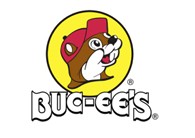
So what’s the issue here? Buc-ee’s is trying to protect it’s the brand. Specifically, we are talking about the smiling cartoon beaver, typically wearing a red cap and set against a bold yellow circle.
Buc-ee’s holds 15 federal trademark registrations covering the BUC-EE’S name and multiple versions of its beaver logo across goods and services ranging from retail convenience stores and gasoline to clothing, food products, and credit card services. Most registrations are incontestable, meaning they carry heightened legal protection under federal trademark laws.
Who is Mickey’s?
Coles IP Holdings, LLC operates a convenience store and gas station chain out of Milan, Ohio. The store was known as “Mickey Mart” and uses “Mickey the Moose” as its mascot.
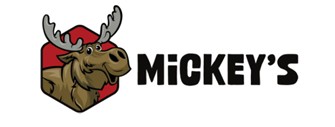
The defendant holds two registered trademarks for logos featuring a cartoon moose with wide eyes, a smile, and the “Mickey Mart” name set inside a round frame and recently filed a new trademark application for a revised moose design under the shorter name “Mickey’s.”
According to Buc-ee’s, the defendant is rebranding from “Mickey Mart” to “Mickey’s” — a shorter, possessive apostrophe-s name that mirrors BUC-EE’S. As part of the rebrand, defendant is rolling out a new moose logo that Buc-ee’s argues more closely resembles its beaver marks than the old one did.
The Three Legal Claims
Buc-ee’s legal team is pursuing three causes of action under the Lanham Act:
Under 15 U.S.C. § 1114. Defendant’s logos infringe Buc-ee’s registered marks and the conduct was willful, warranting treble damages and attorney’s fees.
Under 15 U.S.C. § 1125(a). Defendant’s logos constitute false designation of origin and misleading representations causing consumer confusion.
Under 15 U.S.C. § 1119. Asking the court to cancel defendant’s two existing registrations and refuse the pending trademark application.
The central legal test is likelihood of confusion to determine if an ordinary consumer would confuse the two brands or assume a connection. Buc-ee’s points to: similar logos, identical industries, overlapping consumers, the name rebrand to a possessive apostrophe-s format, shared dominant use of red, and actual consumer confusion expressed online.
How We Got Here
What Buc-ee’s Is Asking For
- A permanent injunction barring the defendant from using any logo confusingly similar to the Buc-ee’s Marks
- Destruction of all products, packaging, signage, and advertising materials bearing the infringing logos
- A compliance report filed with the court within 30 days of any injunction
- Trebled damages for all losses sustained from infringement and unfair competition
- An accounting of defendant’s profits resulting from the infringing activities
- Cancellation of Reg. Nos. 6,121,916 and 7,483,033, and refusal of pending Ser. No. 99/262,130
- Attorney’s fees
Why This Matters
The most interesting question here is how similar the logos really are. This case is still in its early stages, but it will likely turn on a detailed analysis of the logos, branding and overall commercial impression of each. The case does highlight a broader reality though: Strong brands protect their trademarks. Trademark law actually encourages trademark owners to enforce their rights. If a brand owner allows others to use similar marks without challenge, this will ultimately weaken the registered marks.
This case isn’t just about one moose logo. A trademark that isn’t actively enforced can become legally weaker over time. If Buc-ee’s allows similar branding to exist unchallenged, even branding that seems like a stretch, it risks undermining its ability to stop the next infringer. Courts look at whether a trademark owner has consistently policed their mark. Letting things slide, even against smaller players, can be used against you later. This is why big brands sometimes pursue cases that look like overkill from the outside. It’s not always about that one defendant. It’s about maintaining the strength of the mark for every fight that comes after.
Final Thoughts
This is a good reminder that branding decisions have legal consequences. Before investing in signage, packaging, menus, merchandise and marketing, it is worth asking a few key questions:
- Is the name already taken?
- Is the logo too similar to something else in the industry?
- Could consumers confuse your brand with another?
The earlier those questions are asked and answered, the easier it is to avoid problems later on. Once a brand is built, rebranding can be extremely expensive.